

Recovery Resources & Insights

Educational articles and guidance from the clinical team at ALORA Rehab.

Latest Articles

Mindfulness meditation in recovery
Mental Health

A Beginner's Guide to Mindfulness for People in Recovery

Mindfulness is not about emptying your mind or sitting perfectly still for an hour. For people in recovery, it is a practical tool for noticing cravings without acting on them, managing stress before it escalates, and staying grounded in the present moment rather than spiraling into regret or anxiety.

At ALORA Rehab, mindfulness practice is woven into daily life. Patients begin each morning with a guided meditation session in our dedicated meditation room, learning techniques like body scanning, breath awareness, and intentional observation. These are not abstract exercises; they are skills patients carry into real-world situations long after treatment ends.

Research published in the Journal of Substance Abuse Treatment found that mindfulness-based interventions reduced relapse rates by up to 31% compared to standard care alone. The key is consistency. Even five minutes of daily practice builds the neural pathways that help regulate emotional responses to triggers.

If you have never tried mindfulness before, start small. Sit in a quiet spot, close your eyes, and focus on your breathing for two minutes. When your mind wanders, which it will, gently guide it back without judgment. That act of returning your attention is the practice itself.
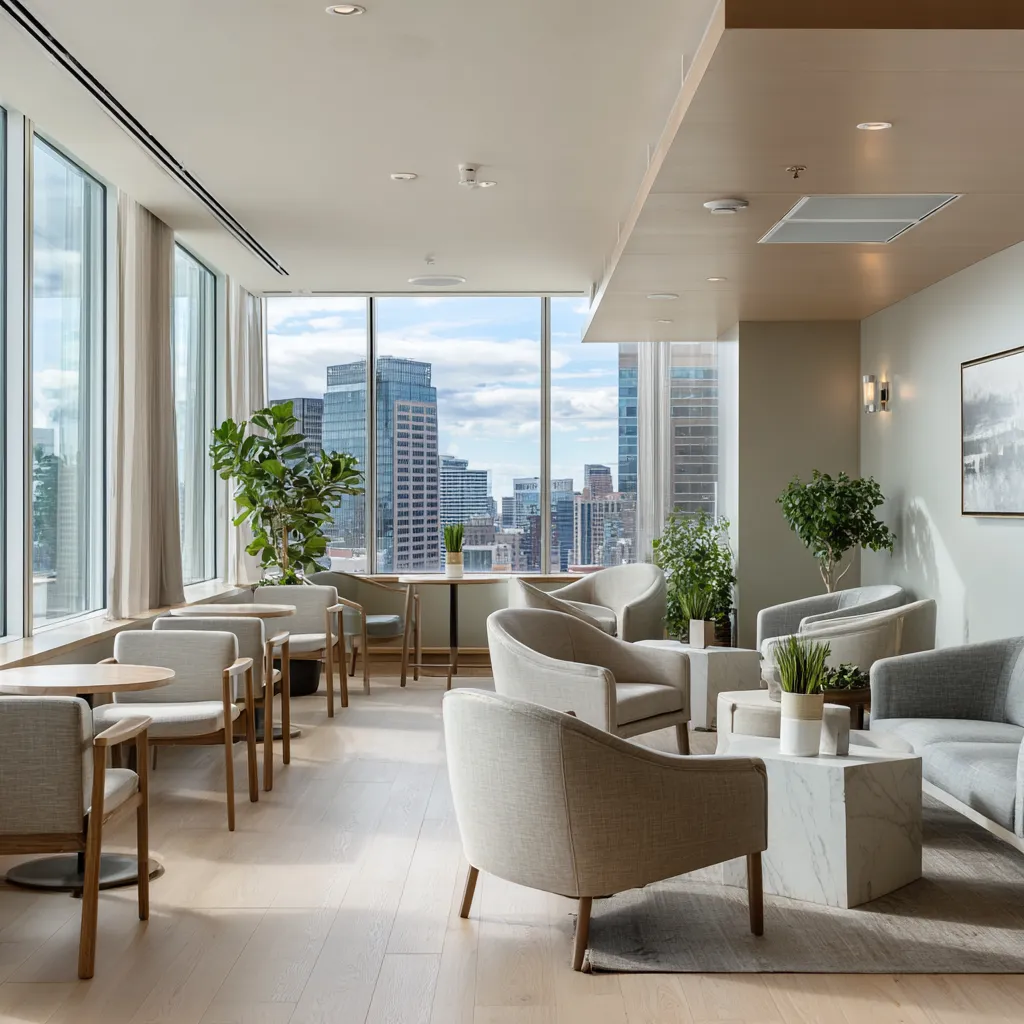

Balancing career and sobriety
Recovery Tips

Balancing Career and Sobriety: Strategies That Work

Returning to work after treatment or maintaining a career while attending outpatient sessions raises real logistical and emotional challenges. Workplace happy hours, high-pressure deadlines, and colleagues who do not understand addiction can all feel like minefields. But a career and recovery are not mutually exclusive. With the right strategies, they actually reinforce each other.

First, set clear boundaries early. You do not owe coworkers an explanation for declining a drink, but having a confident, simple response ready eliminates awkwardness. "I'm driving" or "I'm good with water" works fine. Second, build a routine that includes recovery activities before or after work. Many ALORA Rehab alumni attend morning meetings in the San Gabriel Valley area before their commute.

Third, consider whether your employer offers an Employee Assistance Program (EAP). These programs provide confidential counseling and can connect you with resources that support your recovery without jeopardizing your position. Finally, identify one trusted person at work you can be honest with. Having even one ally makes a measurable difference in workplace stress levels.

Our outpatient program in San Dimas is specifically designed around working schedules. Sessions meet in the evenings and on select weekdays so patients do not have to choose between treatment and their livelihood.

Grief and addiction connection
Addiction Information

How Loss and Addiction Are Connected — and How to Heal Both

Grief and substance use are deeply intertwined, yet they are rarely treated together. Losing a parent, a spouse, a child, or even a career or sense of identity can trigger substance use as a way to numb unbearable pain. Over time, that numbing becomes its own problem, and the original grief remains unprocessed beneath layers of chemical dependence.

At ALORA Rehab, we see this pattern regularly. A significant percentage of our patients trace the escalation of their substance use to a specific loss. The challenge is that traditional grief counseling often does not account for active addiction, and many addiction programs do not allocate enough space for genuine grief work.

Our dual diagnosis and experiential therapy programs address both simultaneously. Through creative writing workshops, patients put language around losses they have avoided confronting. Art therapy provides a non-verbal outlet when words feel inadequate. Individual counseling sessions with trauma-trained therapists create a structured space to process grief at a pace that feels manageable.

Healing from grief does not mean forgetting. It means developing the capacity to carry loss without reaching for a substance to dull its weight. If you or someone you love is caught in this cycle, know that effective help exists, and it does not require traveling far from home.

San Dimas recovery resources
Family Support

Recovery Resources in San Dimas: Support Groups, Meetings, and More

One of the greatest advantages of recovering in or near your home community is the ability to build a local support network that continues long after formal treatment ends. San Dimas and the surrounding San Gabriel Valley offer a range of recovery resources that many residents do not know about.

AA and NA Meetings: Multiple weekly meetings are held throughout San Dimas, Glendora, La Verne, and Covina. Both open and closed meetings are available, with options for morning, afternoon, and evening schedules to fit different routines.

SMART Recovery: For those who prefer a science-based, non-12-step approach, SMART Recovery groups meet in several locations across the eastern San Gabriel Valley. These groups focus on self-empowerment and cognitive-behavioral strategies.

Family Support Groups: Al-Anon and Nar-Anon meetings serve family members affected by a loved one's addiction. Groups meet weekly in San Dimas and neighboring cities, offering a confidential space for families to share experiences and receive guidance.

ALORA Rehab Alumni Program: Our alumni community hosts monthly gatherings, peer mentorship pairings, and ongoing check-ins. Completing treatment at ALORA means joining a network of people who understand your experience and are invested in your continued success.

Building a recovery life close to home is not just possible; it is often the most effective path. The resources are here. Reach out to our team at (909) 250-0856 and we will help connect you.